
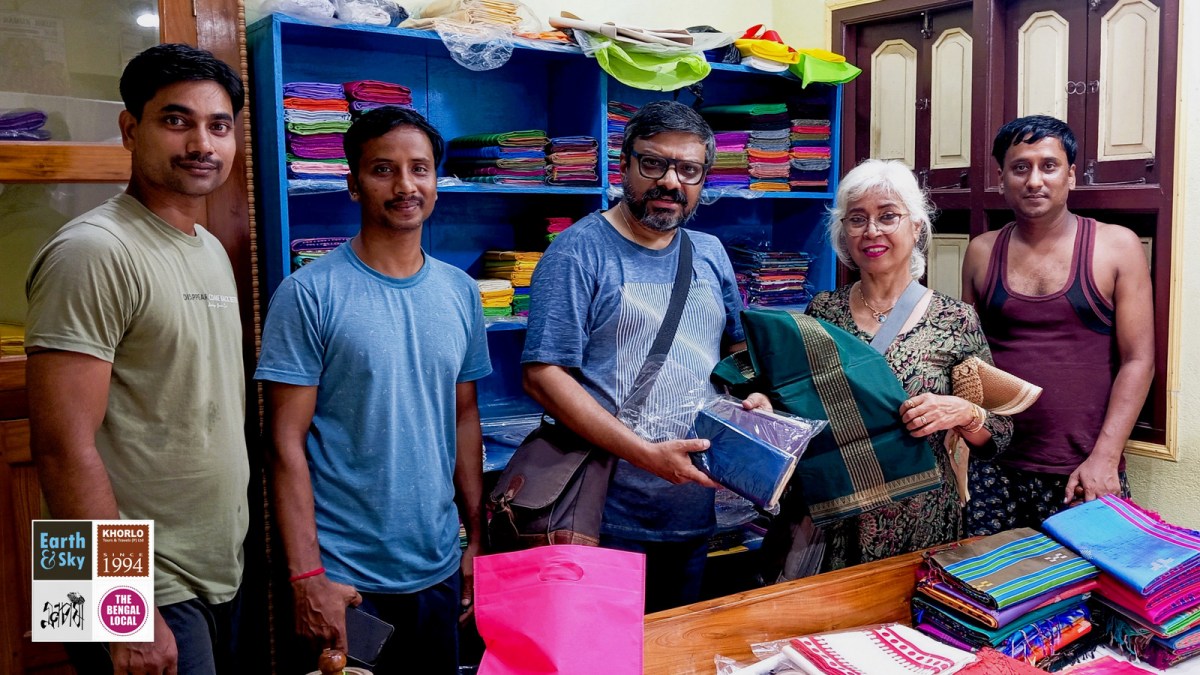
West Bengal is celebrated for its rich cultural heritage. This includes a wide range of traditional crafts and performing arts. These are particularly practiced by rural communities. Among these, the handloom sector holds a special place. It forms a vital part of the rural economy, especially in the historic region of “Mallabhum.” This area is renowned not only for its terracotta temples but also for its contribution to the textile industry.
The Handloom Legacy in Mallabhum: A Lifeline for Rural Economy
The handloom sector in Mallabhum is the second-largest employment generator in the region’s rural economy. It provides livelihoods to about 30,000 weavers. The areas of Bishnupur, Sonamukhi, Bankura, and neighboring villages are the major hubs for this traditional craft. Cotton is a common material. However, the region is particularly famous for its silk. Varieties like Baluchari, Swarnachari, and Tassar silk are produced predominantly in Bishnupur and Sonamukhi.
Sonamukhi: A Weaving Hub with a Rich History
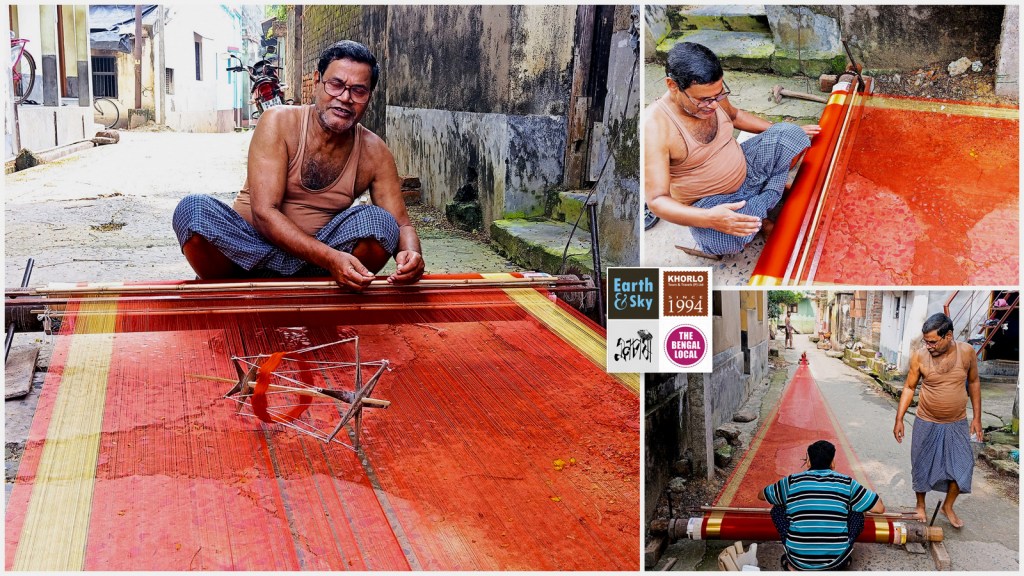
Sonamukhi has a long history as a center for weaving and textile trade. Its references date back centuries in various manuscripts and historical records. Many of these records include those from the time of the East India Company. It has long been known as a “village of weavers.” Generations have practiced the craft of silk and cotton weaving here. Historically, Sonamukhi was a bustling trading center, providing textiles to different parts of the region and beyond.
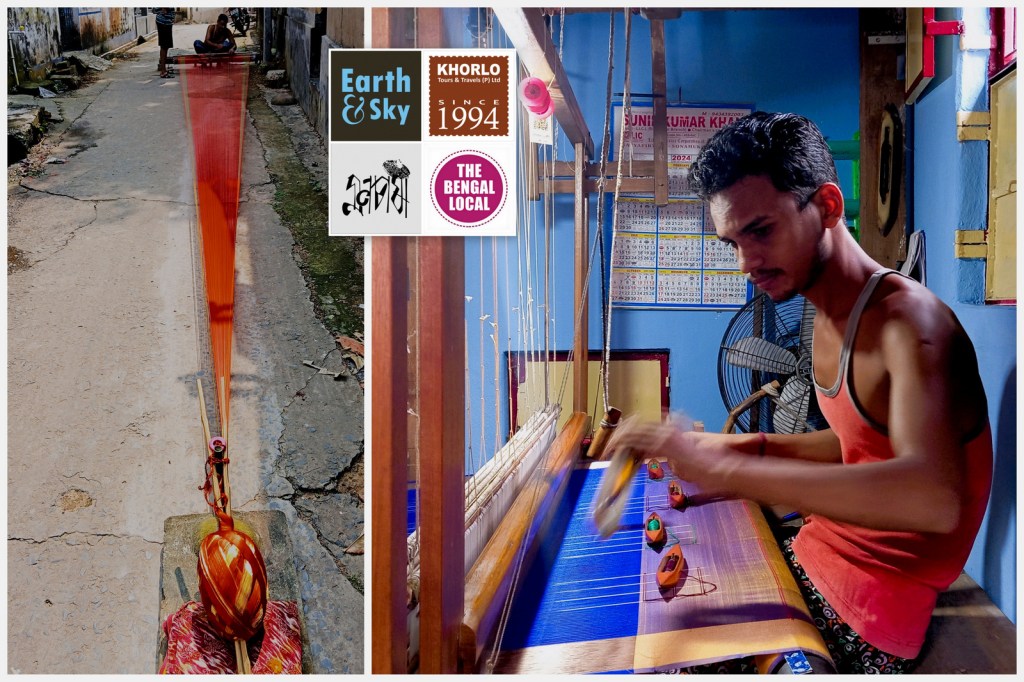
Today, the town still thrives on its weaving traditions, with approximately 1,000 handlooms actively in use. Many regions have transitioned to power looms. Nonetheless, Sonamukhi remains rooted in its handloom tradition. Artisans create intricate designs on yarn using the traditional “tant” (loom). The weavers work meticulously. They sit in front of the yarn, weaving their patterns. They create fabrics that are as beautiful as they are unique.

Sonamukhi Silk: The Pride of the Region
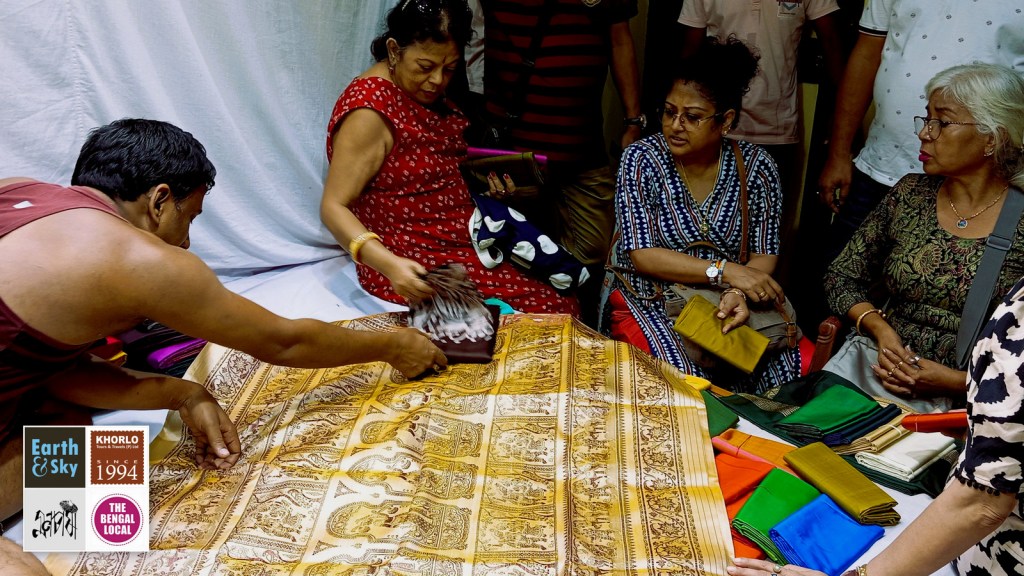
One of the most significant contributions of Sonamukhi to West Bengal’s textile industry is its eponymous “Sonamukhi Silk.” This variety of silk is known for its fine quality. The craftsmanship makes it a sought-after material for traditional sarees and other garments. The creation process of Sonamukhi Silk is labor-intensive. It involves a series of steps that showcase the weavers’ skill and ability.
The Art of Weaving: From Yarn to Fabric
The journey of transforming raw silk into a finely woven fabric involves several meticulous steps:
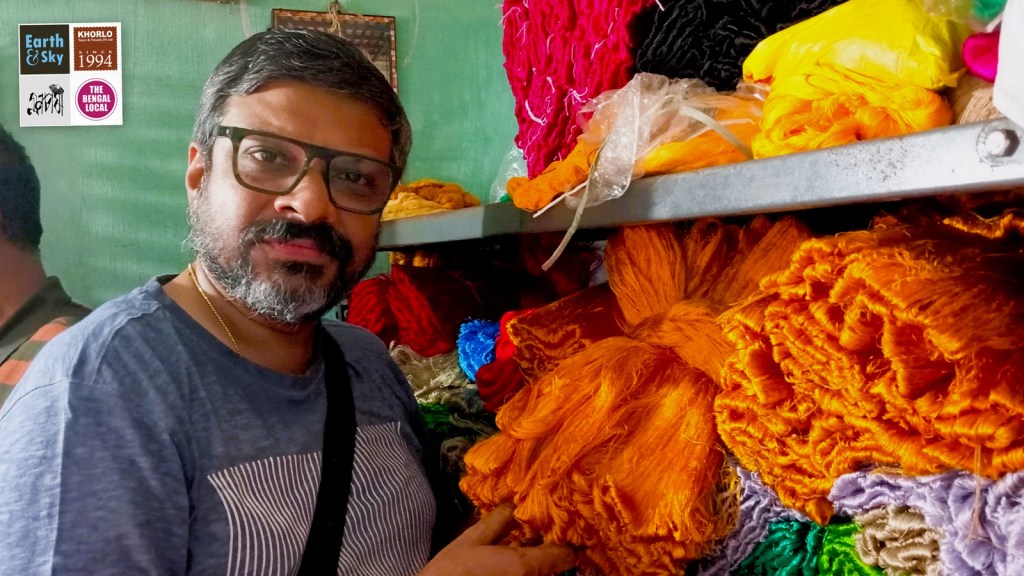
Choosing the right quality of raw silk is crucial to the weaving process. Then the raw silk is processed into yarn, preparing it for further treatment. Next step is dyeing in vibrant colors using traditional techniques, adding life to the fabric. The dyed yarn is then wound onto bobbins and prepared for the loom. After that to guarantee durability, warp yarns are treated before weaving. The final weaving process occurs on traditional handloom. Artisans bring their designs to life with each thread they weave. The result is a variety of silk products. These are not just textiles, but artistic creations that show the cultural heritage of Sonamukhi.

A Visit to Sonamukhi Weavers: Why It Matters
Visiting Sonamukhi offers a unique opportunity to experience the region’s rich textile tradition firsthand. It’s like stepping back in time. Handloom and skilled artisans defined the essence of Bengal’s weaving culture in that era. While Bishnupur is more famous for its temples, Sonamukhi provides a quieter and more intimate connection with Bengal’s heritage. It offers a chance to witness the intricate craft of silk weaving in person.
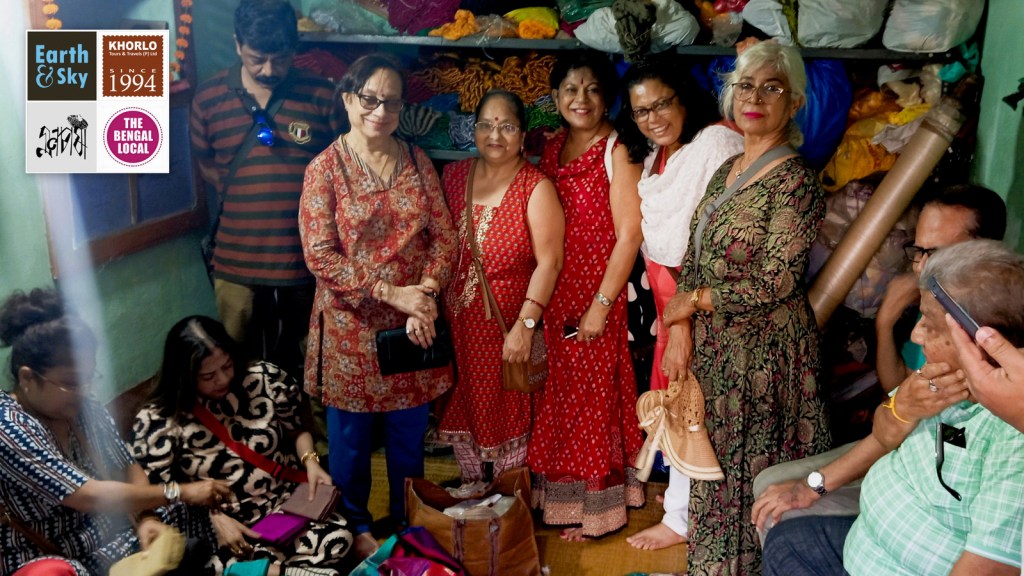
Sonamukhi is a treasure trove waiting to be discovered for those with an interest in textile history. It also captivates anyone with a love for authentic craftsmanship. A visit to the town allows travelers to see the process of silk weaving up close. They can explore workshops where these beautiful fabrics are made. Visitors also appreciate the dedication of the artisans who keep this ancient tradition alive.
Preserving a Dying Art: The Role of Tourism
In today’s fast-paced world, modern machines and mass production have taken over. As a result, traditional handloom weaving is at risk of fading away. Many artisans struggle to sustain their craft amidst economic challenges and competition from machine-made products. Travelers can contribute to this valuable heritage by visiting places like Sonamukhi. They support local artisans and their families.
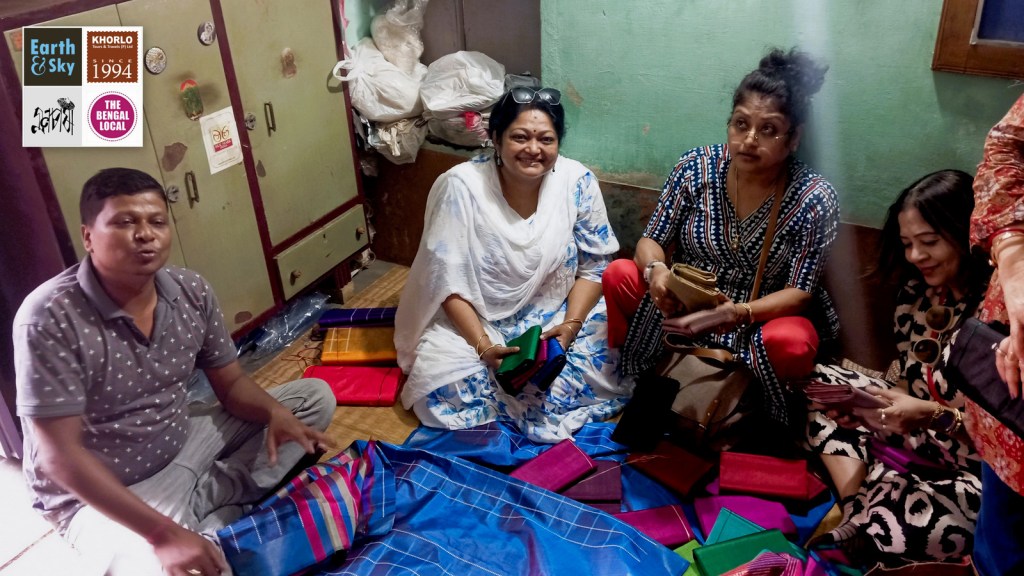
Tourism not only helps boost the local economy but also raises awareness about the cultural significance of handloom weaving. It provides artisans with a platform to share their stories, techniques, and passion with a wider audience. This ensures that the rich tradition of Sonamukhi Silk continues to thrive.
Planning Your Cultural Journey: Why Choose Sonamukhi?
Sonamukhi offers a unique blend of history, art, and cultural exploration. You be captivated by the intricate carvings of its terracotta temples. Alternatively, you appreciate the exquisite craftsmanship of its silk weavers. A visit to this town is sure to leave a lasting impression. It’s a destination that promises a glimpse into the past. It offers an experience that connects you to the enduring spirit of West Bengal’s traditional arts.
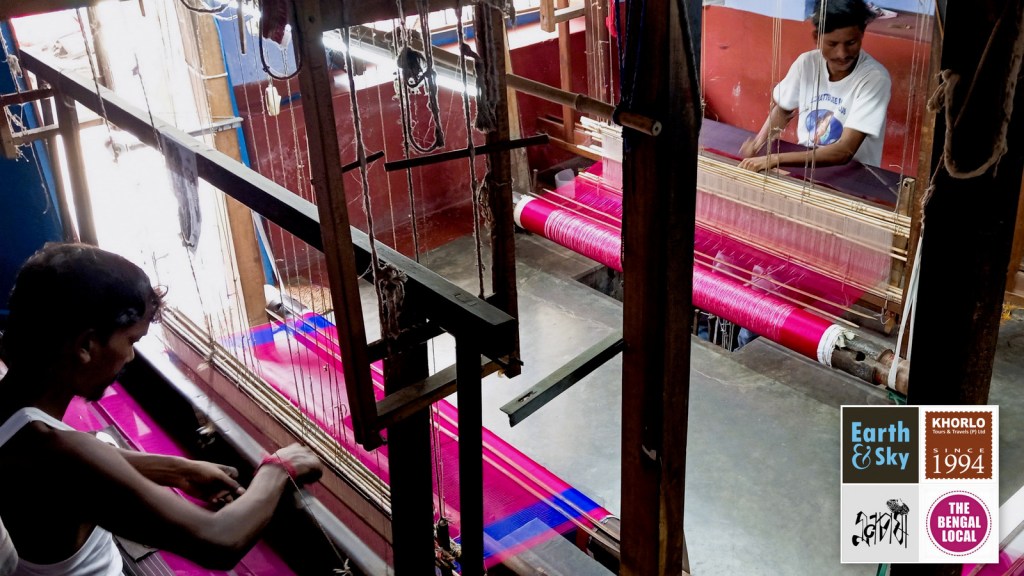
So, if you’re planning your next cultural trip, consider adding Sonamukhi to your list. It’s a place where history and art fuse with the delicate art of weaving. They create a rich tapestry of cultural experiences. The looms still hum with stories of the past. They carry the vibrant threads of Bengal’s glorious textile heritage.
Experiential Tour Assistance: Earth & Sky
WhatsApp Number: +91 94774 84136
Email ID: bengallocal@gmail.com
Website: https://www.thebengallocal.com



 The Bengal Local